Understanding Wildfire Risks in Lake Creek Subdistrict
Wildfires pose a significant threat to communities, ecosystems, and economies, particularly in areas like the Lake Creek Subdistrict. Understanding the risks associated with wildfires is crucial for residents, local authorities, and environmental organizations. This blog post will explore the factors contributing to wildfire risks, the impact of climate change, and effective strategies for mitigation and preparedness.
The Landscape of Lake Creek Subdistrict
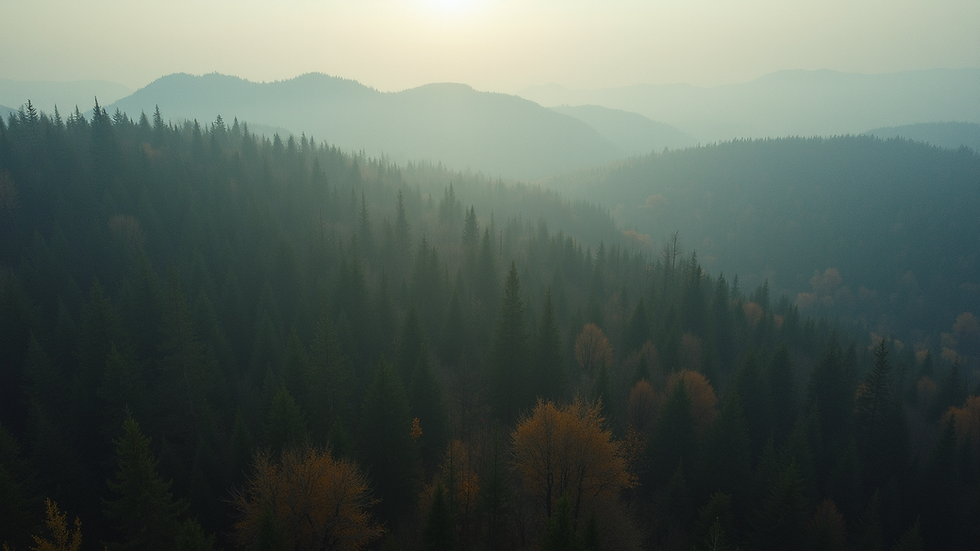
The Lake Creek Subdistrict is characterized by its diverse ecosystems, ranging from dense forests to open grasslands. This variety contributes to both the beauty and the vulnerability of the area. Key features include:
Forested Areas: These regions are often rich in vegetation, which can serve as fuel for wildfires.
Grasslands: While less dense than forests, dry grasslands can ignite quickly, spreading fires rapidly.
Water Sources: Rivers and lakes provide essential resources for wildlife but can also be impacted by nearby fires.
Understanding the geography and ecology of Lake Creek is essential for assessing wildfire risks.
Factors Contributing to Wildfire Risks
Several factors contribute to the wildfire risks in the Lake Creek Subdistrict:
Vegetation Type
Different types of vegetation have varying flammability. For instance, coniferous trees, common in the area, are particularly susceptible to wildfires due to their resinous nature. In contrast, deciduous trees tend to be less flammable.
Weather Conditions
Weather plays a critical role in wildfire behavior. Key elements include:
Temperature: Higher temperatures can dry out vegetation, making it more flammable.
Humidity: Low humidity levels can increase fire risk, as dry air promotes rapid combustion.
Wind: Strong winds can carry embers over long distances, igniting new fires.
Human Activity
Human actions are a significant factor in many wildfires. Activities such as:
Campfires: Unattended or improperly extinguished campfires can lead to wildfires.
Agricultural Practices: Burning debris or fields can sometimes escape control.
Power Lines: Faulty electrical equipment can spark fires, especially during dry conditions.
Climate Change
Climate change is exacerbating wildfire risks across the globe, and Lake Creek is no exception. Rising temperatures and changing precipitation patterns contribute to:
Extended Fire Seasons: Warmer temperatures lead to longer dry periods, increasing the likelihood of wildfires.
Increased Drought: Prolonged drought conditions can dry out vegetation, making it more susceptible to ignition.
The Impact of Wildfires
Wildfires can have devastating effects on both the environment and local communities. Some of the most significant impacts include:
Environmental Consequences
Habitat Destruction: Wildfires can destroy habitats for numerous species, leading to population declines.
Soil Erosion: The loss of vegetation can result in increased soil erosion, affecting water quality in nearby rivers and lakes.
Air Quality: Smoke from wildfires can significantly degrade air quality, posing health risks to residents.
Economic Effects
Property Damage: Homes and businesses can be lost to wildfires, leading to significant financial burdens for affected families.
Tourism Decline: Areas known for their natural beauty may see a decline in tourism following a wildfire, impacting local economies.
Community Health Risks
Health Issues: Exposure to smoke can lead to respiratory problems and other health issues for residents.
Mental Health: The trauma of experiencing a wildfire can have lasting psychological effects on individuals and communities.
Mitigation Strategies
To reduce the risks associated with wildfires, several strategies can be implemented:
Community Education
Educating residents about wildfire risks and prevention measures is crucial. This can include:
Workshops: Hosting workshops on fire safety and prevention.
Informational Materials: Distributing brochures and flyers with tips on how to create defensible space around homes.
Firebreaks and Controlled Burns
Creating firebreaks—strips of land cleared of vegetation—can help slow or stop the spread of wildfires. Additionally, controlled burns can reduce fuel loads in forests and grasslands, making them less susceptible to larger, uncontrolled fires.
Emergency Preparedness Plans
Communities should develop and regularly update emergency preparedness plans that include:
Evacuation Routes: Clearly marked and communicated evacuation routes for residents.
Emergency Kits: Encouraging families to prepare emergency kits with essential supplies.
Collaboration with Local Authorities
Working with local fire departments and government agencies can enhance wildfire preparedness. This collaboration can involve:
Regular Fire Assessments: Conducting assessments to identify high-risk areas.
Resource Allocation: Ensuring that firefighting resources are available and well-distributed.
Conclusion
Understanding wildfire risks in the Lake Creek Subdistrict is vital for protecting both the environment and the community. By recognizing the factors that contribute to these risks and implementing effective mitigation strategies, residents can better prepare for the challenges posed by wildfires.
As climate change continues to influence weather patterns and vegetation growth, proactive measures will be essential in safeguarding the Lake Creek Subdistrict from the devastating impacts of wildfires. Stay informed, stay prepared, and work together to create a safer environment for all.

Comments